Introduction
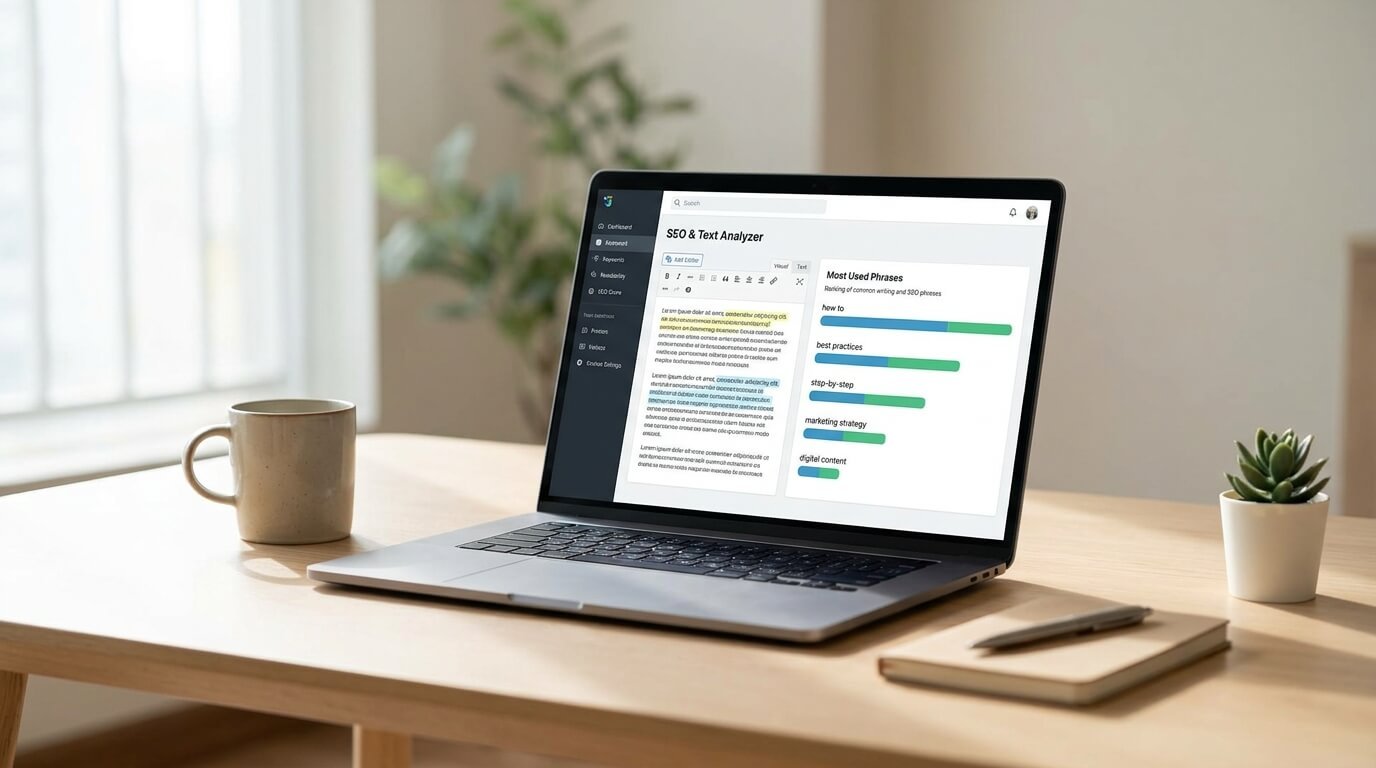
Finding the most used phrases in a text is an easy way to understand what a piece of writing is mainly about. Whether you are a student, blogger, writer, or SEO professional, phrase analysis can help you discover repeated words, identify important topics, and improve your content. Instead of reading a long article several times, you can use a text phrase finder to identify the most frequently used expressions.
This process saves time and helps you understand how language is used in a document. In this guide, you will learn how to Find Most Used Phrases in a Text the most used phrases in a text, which tools can help, why phrase frequency matters, and how to use the results to improve your writing and SEO strategy.
What Does It Mean to Find the Most Used Phrases in a Text?
Finding the most used phrases in a text means identifying word groups that appear repeatedly in a document. A phrase can contain two, three, or more words that work together to express an idea. For example, in an article about digital marketing, phrases such as “search engine optimization,” “website traffic,” and “keyword research” might appear several times.
A phrase frequency checker counts these repeated expressions and shows which ones are used most often. This makes it easier to understand the main topics of a document without manually checking every sentence. Phrase analysis is useful for website content, school assignments, research papers, product descriptions, and blog posts.
Why Should You Find Repeated Phrases in Text?


Repeated phrases can reveal the main ideas and subjects discussed in a piece of writing. When you analyze a document, you can quickly discover which concepts receive the most attention. This information is valuable when editing an article, reviewing a competitor’s content, or checking whether your writing stays focused on its main topic.
For example, a writer preparing an article about healthy eating can use phrase analysis to see whether the content discusses meal planning, nutritious foods, and healthy habits in a balanced way. However, a phrase appearing frequently does not automatically mean it is important. You should also consider its meaning, context, and relationship to the purpose of the document.
How to Find the Most Used Phrases in a Text Online
The easiest way to find the most used phrases in a text is to use an online text analysis tool. First, copy the text you want to analyze from your document, webpage, or article. Next, open a phrase frequency checker that supports repeated word groups. Paste your text into the input box and select the number of words you want to analyze, such as two-word phrases or three-word phrases.
Run the analysis and review the results to see which expressions appear most frequently. Some tools also display word counts, keyword density, and phrase frequency percentages. Before using the results, check whether the tool ignores common words such as “the,” “and,” and “of,” because these words can affect the final list.
What Is a Text Phrase Frequency Checker?
A text phrase frequency checker is an online tool designed to identify repeated expressions in written content. Depending on its features, it may analyze individual words, two-word combinations, three-word combinations, or longer phrases. These combinations are often called n-grams in natural language processing.
For example, a two-word phrase analysis of the sentence “improve website content and improve website traffic” can identify expressions such as “improve website” and “website content.” A useful phrase frequency checker presents the results in an organized list, usually with a count for each phrase. This allows users to understand which expressions occur most often and decide whether the repetition is useful or unnecessary.
Understanding Two-Word and Three-Word Phrases
Two-word and three-word phrases provide different levels of information about a document. Two-word phrases are useful for finding common combinations, while three-word phrases can reveal more specific topics. For example, “keyword research” is a two-word phrase, whereas “free keyword research” is a three-word phrase. Longer phrases can sometimes provide a clearer understanding of a writer’s intention because they contain more context.
When analyzing an article, it is helpful to examine several phrase lengths instead of relying on only one. Comparing two-word, three-word, and four-word phrases can reveal broad themes as well as specific expressions that deserve closer attention.
How Phrase Analysis Helps With SEO
Phrase analysis can support search engine optimization by helping writers understand how topics and expressions are used throughout an article. SEO professionals can analyze their own content to find repeated keywords, discover important subtopics, and identify opportunities to improve readability. They can also examine publicly available competitor content to understand how other pages cover a subject.
For example, if an article about website performance repeatedly discusses loading speed, image optimization, and mobile usability, those phrases may reveal the subjects emphasized in the content. However, phrase frequency alone does not determine search rankings. Search intent, content quality, usefulness, page experience, competition, and other factors also influence how a page performs in search results.
Can Finding Repeated Phrases Improve Keyword Research?
Finding repeated phrases can be a helpful part of keyword research, but it should not replace a proper keyword research process. A text analysis tool tells you how often a phrase appears in the text you provide. It does not necessarily tell you how many people search for that phrase on Google.
To understand search demand, you need keyword research data that includes search volume, competition, and related search terms. You can combine phrase analysis with keyword research tools to identify relevant topics and determine which phrases are worth investigating further. This approach helps you separate expressions that are simply common in an article from keywords that may have genuine search potential.
How to Check Keyword Frequency in an Article

Checking keyword frequency involves counting how often a particular word or phrase appears in your content. Start by choosing a primary keyword and a few closely related expressions. Run your article through a keyword frequency checker and review the number of occurrences for each phrase. Then read the article to determine whether those expressions appear naturally.
If the same keyword is repeated too often, consider replacing some instances with clearer wording or removing unnecessary sentences. There is no universal keyword density percentage that guarantees a high Google ranking. Instead, focus on answering the reader’s questions, using relevant language naturally, and making every paragraph useful.
The Difference Between Word Count and Phrase Count
Word count and phrase count measure different things. Word count tells you how many individual words appear in a document, while phrase count measures how often a particular sequence of words occurs. For example, a 500-word article may contain the phrase “content marketing” six times. The document’s total word count is 500, but the phrase count for “content marketing” is six.
Understanding this difference is important when reviewing content for SEO, academic writing, or editing purposes. A word counter helps you measure the length of your article, whereas a phrase frequency tool helps you understand repeated expressions and patterns in your writing.
How to Find the Most Common Phrases Manually
You can also find repeated phrases without using an online tool, although this method takes more time. Begin by copying your text into a document and reading it carefully. Identify expressions that seem to appear repeatedly, then use your editor’s search function to count their occurrences. For a more detailed analysis, divide the text into sentences and record common two-word or three-word combinations in a spreadsheet.
This method can work for short documents, but it becomes difficult when analyzing thousands of words. An automated phrase counter is generally faster and more consistent, especially when you need to compare several articles or review large amounts of content.
Common Mistakes to Avoid During Phrase Analysis
One common mistake is assuming that the most frequently repeated phrase is always the most important keyword. Common expressions may appear often simply because they are needed for grammar or sentence structure. Another mistake is counting phrases without considering their meaning. For example, the words in “not useful” and “useful” communicate different ideas, even though they share a word.
Writers should also avoid adding unnecessary repetitions just to increase keyword frequency. Keyword stuffing can make an article difficult to read and may negatively affect its search performance. The best approach is to use phrase analysis as a guide while keeping the meaning, accuracy, and natural flow of the content at the center of every editing decision.
How to Use Phrase Frequency Results to Improve Writing
Once you have a list of the most common phrases, review the results and decide what changes are needed. If an important expression appears too rarely, consider adding a useful explanation where it fits naturally. If a phrase appears excessively, look for sentences that repeat the same point and remove unnecessary wording. You can also use the results to identify missing topics.
For example, if an article about online shopping mentions product prices repeatedly but barely discusses delivery or returns, you may need to improve its coverage. Phrase frequency results should guide your decisions rather than control them. Always reread the edited version to ensure the content remains clear, helpful, and easy to understand.
Best Features to Look for in a Phrase Finder Tool
A good phrase finder should be simple to use and provide clear results. Look for a tool that supports multiple phrase lengths, accurate frequency counts, and an easy-to-read results table. Options to ignore common words, analyze large text files, or export results can also be helpful. If you work with website content, additional features such as word counting, keyword density checking, and duplicate phrase detection may save time.
You should also check whether the tool has a reasonable text limit and whether it explains how phrases are counted. Choose a tool that matches your needs instead of relying on unnecessary features that make basic text analysis more complicated.
Is a Free Text Phrase Finder Good Enough?

A free text phrase finder can be sufficient for many everyday tasks. Bloggers can use it to review articles, students can examine assignments, and SEO professionals can analyze smaller content samples. Free tools may provide basic phrase counts without requiring an account or paid subscription. However, some tools have text limits or do not support longer phrases, advanced filtering, or downloadable reports.
If you regularly analyze large documents, you may benefit from a more advanced solution. Before choosing any tool, test it with a short sample text and compare its results with a manual count. This simple check can help you understand whether the tool meets your accuracy and usability requirements.
Who Can Benefit From Finding the Most Used Phrases?
Many people can benefit from phrase frequency analysis. SEO specialists can use it to review website content and explore relevant terminology. Bloggers can discover repetitive wording and improve their articles. Students and researchers can examine documents to identify recurring concepts, while copywriters can make product descriptions and marketing messages more consistent.
Teachers and editors may use phrase analysis to identify patterns in writing and support feedback. It can also help businesses review customer feedback or survey responses when the text is suitable for analysis. The exact benefits depend on the document and the question being investigated, but the main advantage is the ability to recognize repeated language more quickly.
Frequently Asked Questions About Finding Common Phrases
What is the easiest way to find the most used phrases in a text?
The easiest method is to paste your content into an online phrase frequency checker, choose a phrase length, and review the results. For short documents, you can also use a text editor’s search function.
Can I find the most used phrases in a long article?
Yes. Many text analysis tools can process long articles, although the maximum text length depends on the tool. If your article exceeds the limit, divide it into smaller sections and analyze them separately.
Does phrase frequency help Google rankings?
Phrase frequency can help you review content and understand its main topics, but it does not guarantee better rankings. Search intent, usefulness, content quality, and many other factors influence search performance.
What is the difference between keywords and phrases?
A keyword can be one word or a group of words used to describe a topic or search query. A phrase is a sequence of words that appears together. Many SEO keywords are phrases, such as “best website optimization tools.”
Can I analyze text without uploading a file?
Yes. Many online tools allow you to copy and paste text directly into a text box. This is convenient for analyzing blog posts, paragraphs, essays, and other written content.
Final Thoughts
Finding the most used phrases in a text is a practical way to understand repeated language, improve writing, and support SEO content analysis. With a reliable phrase frequency checker, you can identify common expressions, review keyword usage, and find opportunities to make your content clearer. Remember that frequent phrases are only one part of content analysis.
The real goal is to create useful, accurate, natural writing that answers readers’ questions. Combine phrase analysis with keyword research, careful editing, and a clear understanding of search intent to build stronger website content over time.