Introduction
If you are searching for pushwiki com details on meezvo com, you may want to understand the connection between these websites, their purpose, and the information available about them. Before trusting any website, it is important to review its content, check its official information, and understand what it offers. This guide explains how to research these websites carefully and find reliable details online.
1. What Does Pushwiki Com Details on Meezvo Com Mean?
The search phrase “pushwiki com details on meezvo com” appears to combine two website names in one query. People using this phrase may be looking for information about Pushwiki.com, Meezvo.com, or a possible relationship between the two websites. However, a search phrase alone does not confirm that the websites are connected. To understand the actual meaning, readers should examine the pages appearing in search results and determine what information those pages provide.
2. Understanding Pushwiki.com
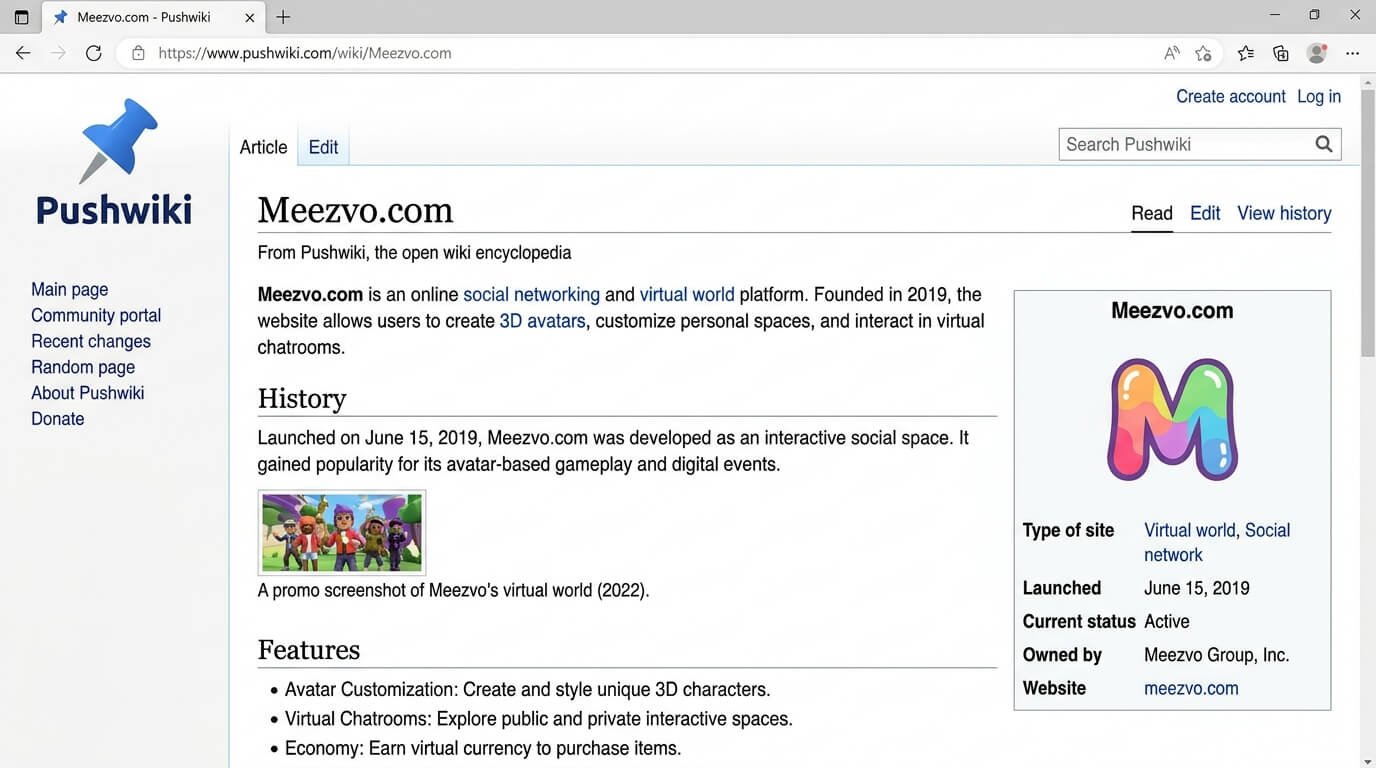
When researching Pushwiki.com, the first step is to visit the website directly and review the information it publishes. Look for its homepage, About Us page, contact information, and any explanations of its services. These sections may help you understand the website’s purpose and intended audience. If the website does not provide clear ownership or service information, avoid making assumptions about who operates it or what it does.
3. Understanding Meezvo.com

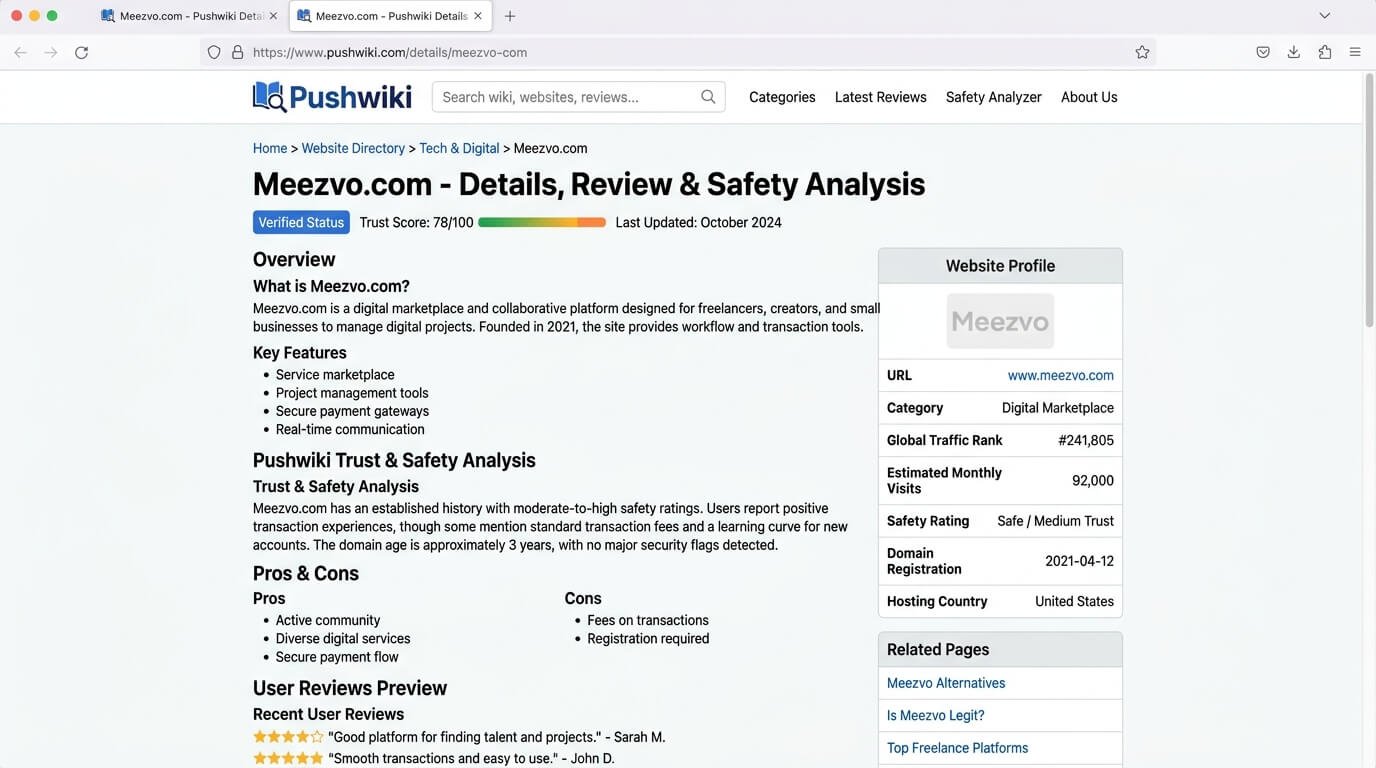
Meezvo.com should also be reviewed independently. Visit its official pages and check whether the website explains its purpose, features, and available resources. Read the information carefully rather than relying only on third-party descriptions or short search snippets. If you cannot verify a particular detail, it is better to leave it unconfirmed than to publish inaccurate information.
4. Why Are People Searching for Pushwiki Com Details on Meezvo Com?
People search for combinations of website names for different reasons. They may have encountered one website while browsing another, discovered a reference in an article, or seen both names in search results. Some users may simply want to learn whether the websites share information or provide similar services. The exact reason behind this particular search query cannot be established from the keyword alone.
5. Is Pushwiki.com Connected to Meezvo.com?
One important question behind this search may be whether Pushwiki.com and Meezvo.com are connected. A reliable answer requires evidence from official website pages, public company information, or other trustworthy sources. Similar names, links in search results, or references between websites do not automatically prove common ownership. Until reliable evidence is available, readers should treat the two websites as separate entities.
6. How to Find Accurate Website Information
Finding accurate website information requires more than reading a single search result. Start with the official website and look for clearly written descriptions of its purpose. Check whether contact details, policies, and service explanations are available. You can also compare information with independent sources. When several trustworthy sources agree on a detail, you may have stronger grounds to rely on it.
7. Checking Website Ownership and Contact Details
Website ownership can sometimes be investigated through public domain registration records, official company pages, and published contact information. Domain records may show registration dates or registrar information, but privacy protection can hide the owner’s identity. A registration record should not be treated as proof of a company’s activities or reputation. Always distinguish between verified ownership information and assumptions.
8. Reviewing Website Content and Services
Website content can provide useful clues about a site’s intended purpose. Examine its main pages, published articles, service descriptions, and navigation menu. Check whether the content is consistent and whether the website clearly explains what visitors can expect. If a website makes claims about products, services, or partnerships, look for supporting evidence before repeating those claims in your own article.
9. How Search Engines Display Website Details
Search engines organize information according to many factors, including page content, relevance, links, and user queries. A website appearing in search results does not automatically mean that a search engine endorses it. Search snippets may also be incomplete or outdated. For accurate research, open the relevant page and review the full context instead of relying entirely on the text displayed beneath a search result.
10. Can You Trust Information About These Websites?
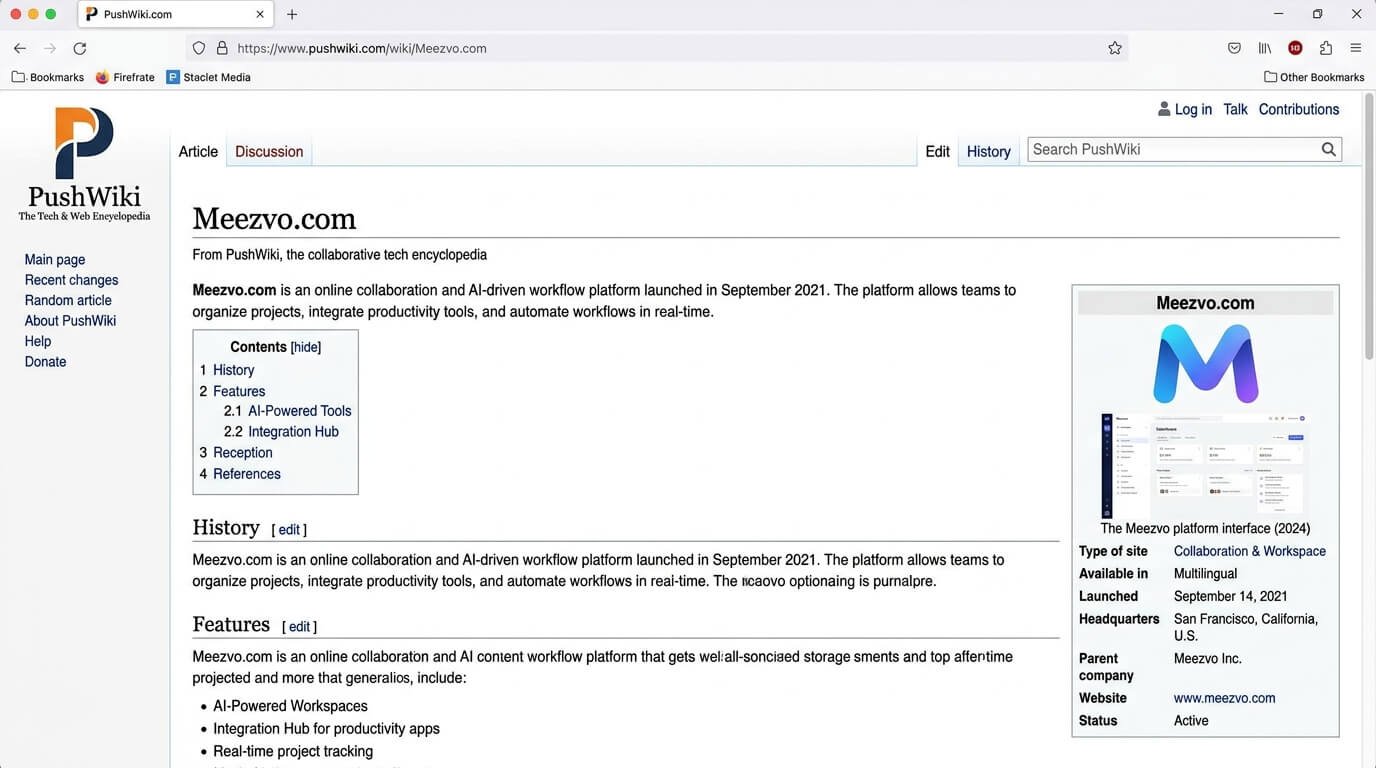
Trust depends on the quality of the evidence available. Check whether the information is specific, consistent, and supported by reliable sources. Be cautious when an article makes strong claims without providing evidence or links to original information. If a detail cannot be confirmed, treat it as uncertain. This approach helps readers avoid misinformation when researching Pushwiki.com, Meezvo.com, and other unfamiliar websites.
11. Website Safety and Privacy Considerations
Before interacting with an unfamiliar website, review its privacy policy and security information. Avoid sharing passwords, financial details, or sensitive personal information unless you have a clear reason to trust the service. Look for a secure HTTPS connection, but remember that HTTPS alone does not prove a website is legitimate. Be careful with unexpected downloads, suspicious redirects, and requests for unnecessary permissions.
12. How to Research Websites Using Google
Google can help you find public information about a website through targeted searches. Try searching for the exact domain name, the domain name with terms such as “About Us,” or the domain name alongside a specific question. You can also search for exact phrases in quotation marks to locate pages containing those words. Compare the results and prioritize official information and credible independent sources.
13. The Role of Third-Party Websites
Third-party websites may discuss a domain, publish reviews, or refer to its content. These references can be useful starting points, but their accuracy should be checked. A third-party article may contain outdated details, misunderstand a website’s purpose, or repeat information from another source. Whenever possible, follow citations back to the original source and confirm that the information still applies.
14. What Website Owners Should Know About SEO
Website owners should focus on creating content that answers real user questions. A useful article explains the topic clearly, provides relevant evidence, and avoids unnecessary repetition. Search engines may evaluate relevance, quality, usability, and many other signals when determining rankings. No article can guarantee a number-one position, even when it follows SEO best practices.
15. Is This Keyword Suitable for an SEO Article?
The keyword “pushwiki com details on meezvo com” may have a specific search intent, but its meaning should be verified before publishing. Review the search results to understand whether users want a website review, a domain comparison, company details, or an explanation of a relationship between the sites. Your article should match that intent rather than merely repeating the keyword throughout the text.
16. How to Use the Focus Keyword Naturally
Use the focus keyword in the title, opening paragraph, and a relevant heading when it fits naturally. Include related phrases where they help explain the topic, but avoid repeating the exact wording in every section. Search engines can understand related terms and context. Clear writing is more useful to readers than awkward sentences created solely to include a keyword.
17. Common Mistakes to Avoid When Researching Websites
A common mistake is assuming that two websites are connected because they appear together in a search query. Another is publishing unverified claims about ownership, safety, services, or reputation. Some writers also create articles that repeat the same information without answering the reader’s main question. Avoid these problems by checking evidence, using careful wording, and removing statements that cannot be supported.
18. How to Make Your Article More Helpful
To improve the usefulness of an article, provide verified facts, clear explanations, and practical research steps. Include official sources when available and explain any remaining uncertainty. If you discover a confirmed relationship between the two websites, describe the evidence accurately. If no connection can be verified, state that clearly rather than suggesting a relationship that may not exist.
19. Frequently Asked Questions
What is Pushwiki.com?
Its purpose should be confirmed by reviewing the website’s official pages and reliable external sources. Without verified information, it would be inappropriate to describe its services as established facts.
What is Meezvo.com?
The best starting point is the website itself. Review its published information and compare it with trustworthy sources to understand its purpose.
Are Pushwiki.com and Meezvo.com related?
A connection cannot be confirmed from the search phrase alone. Reliable evidence, such as an official statement or credible documentation, is needed.
Is the keyword good for SEO?
It may be useful if people search for this specific information and your article answers their questions. Check actual search demand, competition, and relevance before making it a priority.
Can an article guarantee a high Google ranking?
No. SEO improvements can help a page become more relevant and useful, but rankings depend on many factors and cannot be guaranteed.
20. Final Thoughts
The search query “pushwiki com details on meezvo com” suggests that readers want information about two named websites and possibly their relationship. The most responsible way to answer this query is to investigate both domains, use reliable sources, and clearly separate verified facts from assumptions. For website owners, this approach also supports better SEO because useful, accurate content serves readers more effectively than unsupported claims or keyword repetition.