Plagiarism Checker Free: A Simple Guide to Keeping Your Writing Original
Every writer, student, and blogger has the same fear at some point: what if my work looks copied? Even when you write every word yourself, some phrases can match other pages by chance. A plagiarism checker free of cost gives you a quick way to find these problems before anyone else does. You paste your text, press a button, and see which parts look similar to other sources. In this guide, you will learn how a plagiarism checker free tool works, what to look for, and how to use the results wisely, all in simple words.
What Is a Plagiarism Checker Free Tool?
A plagiarism checker free tool is an online program that compares your text with web pages, articles, and other sources to find matching content. It does not read your mind or judge your honesty. It only looks for similar words and phrases and shows them in a report. Most free tools give you a similarity score and highlight the matching parts, so you can see exactly where the problem is. Some tools work in a few seconds, while others take a minute for longer text.
Why Plagiarism Matters
Copying another person’s work without credit is unfair, and it can bring real trouble. Students may fail a class or face a school penalty. Bloggers may lose trust and see their rankings fall. Businesses may face legal claims or a damaged name. Even a small copied paragraph can cause stress, so it is better to check early. Original work also builds your own voice, and readers can feel that honest voice in every line you write.
Types of Plagiarism
Plagiarism is not only copying a full page. Direct plagiarism means taking text word for word without credit. Paraphrasing plagiarism means changing a few words but keeping the same idea and structure without naming a source. Self plagiarism means reusing your own old work without telling anyone. Accidental plagiarism happens when you forget a quote mark or a source. Knowing these types helps you understand why a clean check matters, even when you never planned to copy anyone.
How a Plagiarism Checker Free Tool Works
The tool splits your text into small pieces, such as sentences or short phrases. Then it searches for the same pieces in its database and across public web pages. When it finds a match, it marks that part and shows the source link. At the end, it adds all matches together and gives a percentage. The process is automatic, so you do not need any special skill. But the result is only a guide, and you still need to read the matches with your own eyes.
Who Should Use a Plagiarism Checker Free Online?
Students can check essays and reports before handing them in. Teachers can review assignments quickly. Bloggers and website owners can make sure their posts are unique before publishing. Freelance writers can protect their name by sending clean work to clients. Editors and agencies can check articles from many writers in one day. In short, anyone who writes for other people can gain from a quick check, and it only takes a few minutes.
Features to Look For
A good tool should handle a fair amount of text at once, and it should show the matching sources clearly. Look for highlighted matches, a clear percentage, and links to the original pages. Speed matters, so choose a tool that gives results fast. A clean design without too many ads is also helpful. Support for different input types, such as pasted text or uploaded documents, saves time. Finally, check that the tool explains how it treats your text, which brings us to privacy later in this guide.
Free vs Paid Checkers
Free tools are great for quick checks, small articles, and daily use. Paid tools usually offer larger word limits, deeper searches, saved reports, and checks against academic databases. If you write short blog posts or school essays, a plagiarism checker free of cost is often enough. If you handle long research papers, legal work, or many client files, a paid plan may make sense. Start free, learn what you need, and upgrade only if you really hit the limits.
How to Use a Plagiarism Checker Free Step by Step
First, finish your draft and read it once. Second, open the tool and paste your text into the box, leaving out titles and long quotes if the tool lets you. Third, press the check button and wait for the report. Fourth, read the highlighted parts one by one and open the source links. Fifth, rewrite or cite what needs fixing. Sixth, run the check again to confirm. Following these steps with a plagiarism checker free tool keeps the whole process calm and clear.
How to Read Your Similarity Score
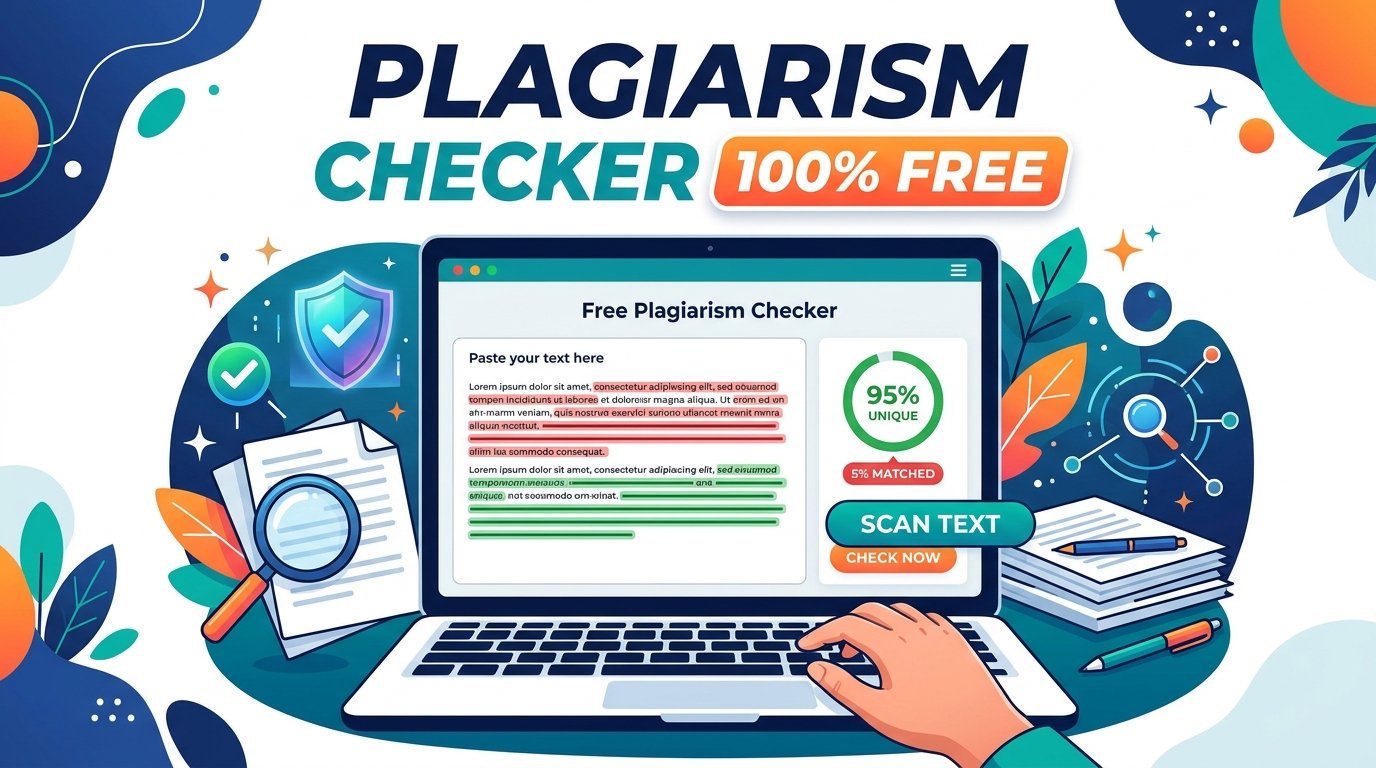
A similarity score is the share of your text that matches other sources. It is not a final verdict. Common phrases, names, quotes with proper credit, and a list of references can all raise the number without any wrong done. Many schools and clients have their own limit, so ask what they accept. Focus less on the number and more on where the matches are. A few matched sentences in the middle of a long original text are very different from a whole copied paragraph.
Limits of Free Tools
No free tool is perfect. A plagiarism checker free of charge may miss content that is not on the public web, such as private papers or books. It may also have a word limit, show ads, or run slower at busy times. Some tools do not catch smart paraphrasing. For this reason, treat the result as a helpful first step and not as full proof. If the stakes are high, use a second tool or ask a teacher or editor for a human review.
Privacy and Safety
Before you paste your text, think about where it goes. Some tools may store your content, and for private work that can be a risk. Read the privacy page, and avoid pasting secret business plans, unpublished research, or personal data. If you must check sensitive text, choose a tool that clearly says it does not save or share your content. A safe plagiarism checker free option should be honest about this, and it should not ask for more details than it needs.
How to Fix Matched Text
When you find a match, you have three simple choices. You can rewrite the idea fully in your own words and your own structure, not just swap a few words. You can use quote marks and add the source if the exact wording matters. Or you can remove the part if it is not needed. After editing, read the new text out loud to make sure it flows well. Then check again to see that the match is gone.
How to Cite Sources Properly
Citing means telling readers where an idea or quote came from. Follow the style your school or client wants, such as APA, MLA, or a simple link in blog posts. Always note the author, title, date, and link or publisher when you can. Keep a small list of sources while you research, so you do not forget them later. Good citing does not make your work weaker. It shows that you did real research and respect other people’s work.
Tips to Write Original Content
Start with your own point of view before you read other pages. Take notes in your own words, not copied lines. Add personal examples, small stories, and real experience, because these cannot be found anywhere else. Use sources to support your ideas, not to replace them. Write the draft first and add references after. When you finish, read the piece as if you were the reader and ask whether it adds something new. Original thinking is the best protection you have.
Plagiarism and SEO
Search engines like pages that bring something helpful and fresh. If your page is copied or very close to another page, it may struggle to rank, and it can confuse search engines about which page is the real one. Fresh, useful, and honest writing gives you a better chance. Running a plagiarism checker free before you publish helps you catch copied parts and fix them early. It is a small step, but it protects your site’s name and your hard work.
Common Mistakes
The first mistake is trusting the score without reading the matches. The second is changing only a few words and calling it new. The third is forgetting quotes and sources. The fourth is pasting private text into any tool without checking its privacy rules. The fifth is checking once and never again after big edits. Avoiding these mistakes makes your plagiarism checker free routine stronger and keeps your work safe and honest.
Checklist Before You Submit
Before you submit or publish, go through a quick list. Did you run your text through a plagiarism checker free tool? Did you read every highlighted match? Did you add quotes and sources where needed? Is the similarity score fine for your school or client? Does the text sound like you? Did you check again after editing? If you can answer yes to each question, your work is ready, and you can send it with confidence.
Final Thoughts
Plagiarism checks are not about fear. They are about care. A quick scan protects your name, respects other writers, and helps you improve your work. Use the tools wisely, read the results with your own judgment, and always add your own voice. Over time, writing original text becomes a habit, and the checker becomes a simple safety net.