
Introduction
A keyword search position checker helps users monitor where their webpages appear for selected search terms. It can provide useful information about ranking changes, keyword performance, and opportunities to improve website content. Whether you manage one blog or several business websites, checking keyword positions can help you make better SEO decisions. In this guide, we will explain how these tools work, why keyword tracking matters, and how to use ranking information to improve your website’s search visibility.
1. What Is a Keyword Search Position Checker?
A keyword search position checker is an SEO tool that helps website owners discover where their webpages appear in search engine results for specific keywords. For example, if you publish an article about a keyword research tool, you may want to know whether your page appears in position 5, 15, or 30 when someone searches for that topic.
Instead of manually searching for every keyword, a position checker can collect ranking information and display it in an organized report. Depending on the tool, users may also track ranking history, locations, devices, and competing websites. This information helps SEO professionals understand which pages are performing well and which ones may need improvement.
2. Why Is Keyword Position Tracking Important?
Keyword position tracking is important because search visibility can influence website traffic. When your webpage appears prominently for a relevant search, more people may discover it and visit your website. Tracking rankings helps you understand whether your SEO work is producing positive results or whether a page needs additional attention.
It also allows website owners to notice changes over time. A keyword that previously performed well may lose visibility because of competition, changes in search intent, technical problems, or changes in search results. By checking keyword positions regularly, you can investigate these changes and decide which improvements are necessary instead of relying on assumptions.
3. How Does a Keyword Search Position Checker Work?

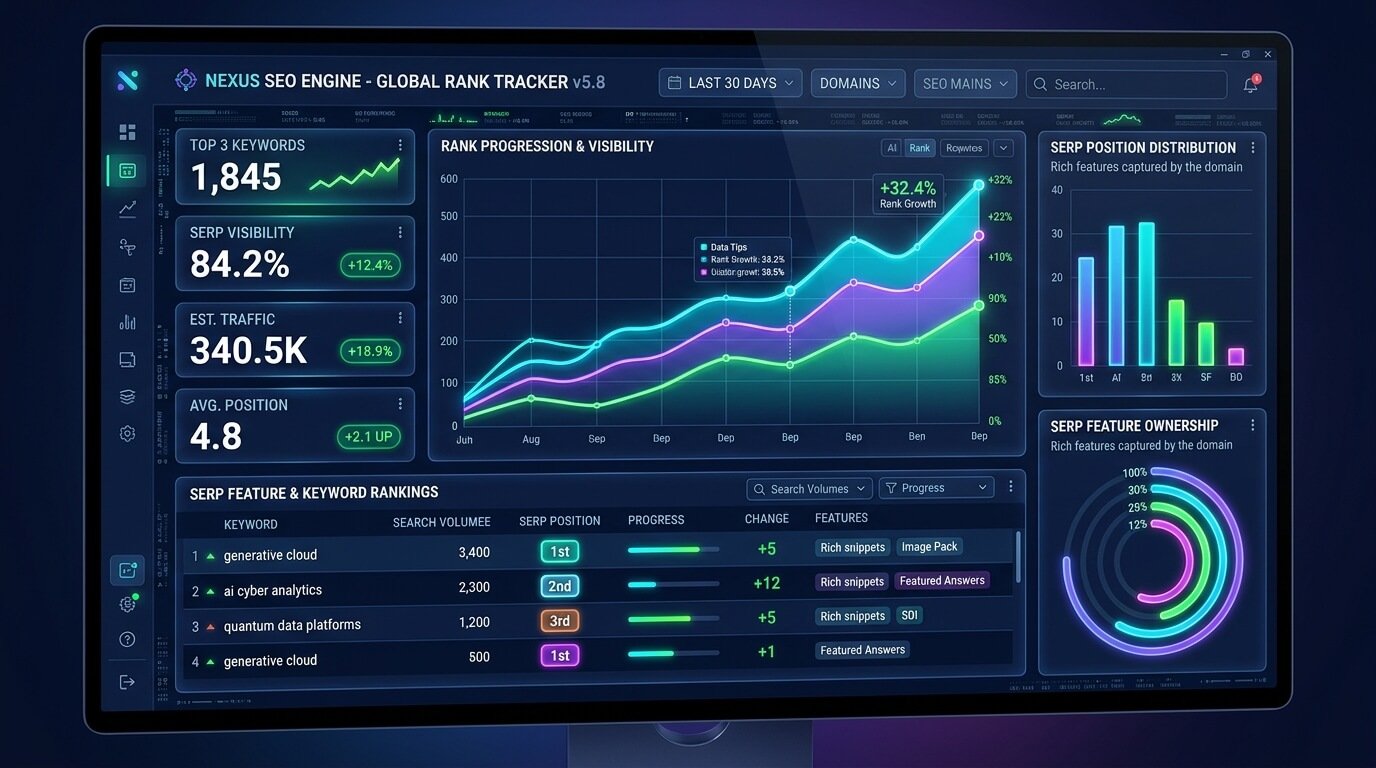
A keyword position checker collects search ranking information for selected keywords and webpages. Depending on the service, it may check Google results using a selected country, location, language, and device type. The tool then organizes the information so users can understand where their pages appear for different searches.
Some tools provide daily updates, while others check rankings less frequently. Advanced platforms may also display competitor positions, ranking history, estimated traffic, and keyword difficulty. Results can vary between tools because search results depend on location, personalization, device, and the time of the check. Therefore, ranking reports should be treated as useful indicators rather than permanent or universal positions.
4. What Is a Keyword Ranking Position?
A keyword ranking position represents the location of a webpage within search results for a particular search query. For example, a webpage appearing as the first organic result has position one, while a page appearing as the tenth organic result has position ten.
Higher organic positions generally provide greater opportunities for visibility, although the actual number of clicks depends on the search query and the type of results displayed. Advertisements, featured snippets, local results, images, videos, and other search features can affect how users interact with a results page. This is why ranking position should be evaluated alongside impressions, clicks, and click-through rate.
5. Benefits of Using a Keyword Search Position Checker
A keyword search position checker provides several benefits for SEO professionals and website owners. It helps them monitor important keywords, compare ranking changes, discover pages that need improvement, and measure the progress of their optimization activities.
It can also save time by organizing multiple keywords into one report. Instead of manually checking every search query, users can review their keyword performance from a single dashboard. For agencies managing several client websites, this information can make SEO reporting easier and help identify which projects require additional work.
6. How to Check Your Website Keyword Position on Google
There are different ways to check your website’s keyword positions. You can use Google Search Console to review the search queries that generate impressions and clicks for your website. Open the Performance report, select Search results, and review the Queries and Pages sections.
For more detailed rank tracking, you can use an SEO platform that supports keyword position monitoring. Add your website, select the keywords you want to track, and choose the relevant country and device. Review the results regularly to understand ranking changes. Remember that Google Search Console reports average position, which is not necessarily the exact position every user sees.
7. Google Search Console for Keyword Position Tracking
<PRIVATE_PERSON> Google Search Console is a free Google service that helps website owners understand how their pages perform in Google Search. Its Performance report provides information about total clicks, impressions, average click-through rate, and average position.
You can use this information to identify queries that already bring visibility to your website. For example, a page may receive many impressions but relatively few clicks. This could be an opportunity to improve its title or meta description. Search Console is especially useful because it provides performance data directly from Google, although it does not work exactly like a dedicated daily rank-tracking tool.
8. Keyword Search Position Checker for Different Countries
Location is an important part of keyword tracking because Google results can change depending on the searcher’s country or region. A website may rank highly for a keyword in the United States but appear much lower for the same query in the United Kingdom or India.
Businesses targeting international audiences should check rankings in their most important markets. For example, an SEO agency working with clients in the United States should not rely only on ranking results from Pakistan. Selecting the correct location makes ranking reports more relevant to the audience a website wants to reach.
9. Mobile vs. Desktop Keyword Rankings
Search results can differ between mobile and desktop devices. A website may perform differently depending on the device used to search, the query, and the available search features. Mobile users may also interact with search results differently because of smaller screens and different browsing habits.
A good keyword tracking strategy should consider the devices that matter most to your audience. Reviewing mobile and desktop performance can help you identify possible differences in visibility. Website owners should also ensure that their pages are mobile-friendly, load efficiently, and provide a comfortable reading experience on smaller screens.
10. How Often Should You Check Keyword Positions?
The ideal tracking frequency depends on the website, competition, and SEO goals. Some businesses monitor important keywords daily, while smaller websites may review their rankings weekly. Checking too frequently can make ordinary fluctuations appear more important than they really are.
It is usually more useful to study ranking trends over time rather than react to every small movement. Search engines regularly update results, and positions can change naturally. Compare data across consistent periods and investigate major changes before making significant website adjustments.
11. How to Choose the Best Keyword Position Checker
Choosing the right keyword position checker depends on your website’s needs and budget. Look for a tool that supports accurate location targeting, mobile and desktop tracking, ranking history, and easy-to-understand reports.
You should also consider the number of keywords supported, update frequency, competitor analysis, and export options. Some tools provide additional SEO features, while others focus mainly on rank tracking. Before purchasing a subscription, check the available features and make sure the platform offers the information you actually need.
12. Free vs. Paid Keyword Rank Checker Tools
Free keyword position checkers are useful for beginners and website owners who want to monitor a small number of search terms. They may provide basic ranking information without requiring a paid subscription. However, free tools can have limits on keyword volume, location settings, update frequency, and reporting features.
Paid platforms generally offer more advanced features, such as large keyword lists, competitor tracking, historical reports, and scheduled updates. The best choice depends on your SEO requirements. A small blog may not need an expensive subscription, while an agency managing many websites may benefit from a more advanced platform.
13. Understanding Keyword Ranking Changes

Keyword positions can move up or down for many reasons. Competition may publish better content, Google may change its search results, or a website may experience technical problems. Changes in search intent can also affect which pages Google considers most relevant.
A ranking decline does not always mean that your content is poor. Check whether the page is indexed, whether other pages are competing for the same keyword, and whether the search results have changed. Use Google Search Console and other SEO data to identify possible causes before deciding what to improve.
14. How to Improve Your Keyword Search Position
Improving keyword positions requires a combination of useful content, technical quality, and relevant website structure. Start by understanding what people want when they search for your target keyword. Then create a page that answers their questions clearly and provides information that is accurate, helpful, and easy to understand.
Use descriptive titles, logical headings, relevant internal links, and clear explanations. Improve page speed and mobile usability, and make sure important pages can be crawled and indexed. Avoid keyword stuffing or publishing repetitive content simply to target more search terms. Consistent improvements are more useful than trying to manipulate rankings with shortcuts.
15. The Importance of Search Intent in Keyword Rankings
Search intent is the main reason behind a person’s search. Some users want information, while others want to compare products, find a particular website, or make a purchase. Understanding this purpose helps you create content that matches what searchers actually need.
For example, someone searching for a keyword search position checker may want a free tool or a guide explaining how ranking tracking works. If your page only provides general SEO theory without answering the practical question, it may not satisfy that visitor. Study the search results and create content that addresses the main purpose behind the query.
16. Keyword Position Checker for SEO Agencies
SEO agencies often manage several websites and hundreds or thousands of keywords. A keyword search position checker helps agencies organize this information and understand the performance of different client projects.
Agencies can create separate keyword groups for each website, track target countries, compare historical rankings, and prepare performance reports. This makes it easier to explain SEO progress to clients. However, agencies should avoid reporting ranking positions without context. Traffic, conversions, impressions, and business results are also important measures of SEO performance.
17. Common Mistakes When Checking Keyword Rankings
One common mistake is assuming that a single Google search shows the exact ranking for every user. Search results can differ because of location, device, language, and other factors. Another mistake is focusing only on position while ignoring impressions, clicks, and conversions.
Some website owners also change their content after every small ranking movement. This can create unnecessary work and make it difficult to measure the results of individual improvements. Use consistent tracking settings and review meaningful trends before making decisions.
18. How to Track Competitor Keyword Positions
Competitor keyword tracking helps website owners understand which search terms other websites are targeting and where those websites appear in search results. Some SEO platforms allow users to add competing domains and compare their ranking performance.
This information can reveal topics you have not covered and pages that may deserve additional research. However, copying competitors word for word is not a good SEO strategy. Instead, study what users find helpful in competing pages and create original content that provides clear answers, useful examples, and additional value.
19. Keyword Ranking and Organic Website Traffic
Keyword rankings and organic traffic are connected, but they are not the same measurement. A page can rank for many keywords and still receive limited traffic if those searches have low demand. Another page may rank for a smaller number of high-demand terms and attract more visitors.
Search Console can help you compare impressions, clicks, and average position. Use these metrics together to understand your page’s performance. Also consider whether visitors complete useful actions, such as contacting your business, reading another article, or purchasing a product. The ultimate goal of SEO is not simply to achieve a higher position but to attract the right audience.
20. Frequently Asked Questions
What is a keyword search position checker?
It is an SEO tool that helps website owners monitor where their webpages appear in search results for selected keywords.
Is there a free keyword position checker?
Yes. Some SEO platforms provide free ranking checks with limited features. Google Search Console is also a free option for monitoring search performance and average positions.
Does Google Search Console show exact keyword rankings?
No. Google Search Console reports average position for queries and pages. Actual search results can vary depending on location, device, and other factors.
How many keywords should I track?
The number depends on your website and SEO goals. Start with important keywords related to your main pages, products, or services, and expand the list when necessary.
Why do my keyword rankings keep changing?
Rankings can change because of competition, search updates, content changes, technical problems, and differences in search context.
Can a keyword position checker improve Google rankings?
A checker does not directly improve rankings. It provides information that helps website owners identify problems and make better SEO decisions.
Should I check keyword positions every day?
Daily tracking can be useful for important projects, but weekly or monthly trend analysis is often sufficient for smaller websites.
21. Final Thoughts on Keyword Search Position Checker
A keyword search position checker is a useful SEO tool for monitoring website visibility and understanding how webpages perform in search engines. It helps website owners track important keywords, discover ranking changes, study competitors, and identify opportunities for improvement. However, ranking positions should always be considered alongside traffic, impressions, clicks, and conversions. By using reliable tracking tools and focusing on helpful content, website owners can build a stronger SEO strategy and work toward better long-term search visibility.