Introduction
Keyword prominence in SEO is an important part of creating content that search engines and readers can easily understand. It refers to how early and clearly a target keyword appears in different parts of a webpage. When you place your main keyword in important areas, such as the page title, introduction, headings, and URL, you help search engines understand the main topic of your content. However, good SEO is not only about adding keywords. Your content should also provide useful information, answer readers’ questions, and offer a positive reading experience. In this guide, you will learn everything about keyword prominence in SEO, including its benefits, best practices, common mistakes, and practical examples.
1. What Is Keyword Prominence in SEO?
Keyword prominence in SEO means placing your primary keyword in important positions within your website content. These positions help search engines identify the subject of a page and understand what information it provides. For example, if your target keyword is “keyword prominence in SEO,” you can include it naturally in your title, first paragraph, and relevant headings. This makes your content more organized and helps readers quickly understand what they are going to learn. Keyword prominence does not mean repeating the same phrase everywhere. Instead, it focuses on using your target keyword in meaningful locations where it makes sense.
2. Why Is Keyword Prominence Important?
Keyword placement helps search engines understand the relationship between your content and a particular search query. When your main keyword appears in relevant areas, it provides useful context about the page. It can also help visitors understand that they have reached a page related to their search. However, keyword prominence is only one part of SEO. Google considers many other factors, including content quality, relevance, usability, and website experience. Therefore, you should use keyword prominence as part of a complete optimization strategy rather than treating it as a guaranteed way to reach the first position.
3. Place Your Main Keyword in the SEO Title
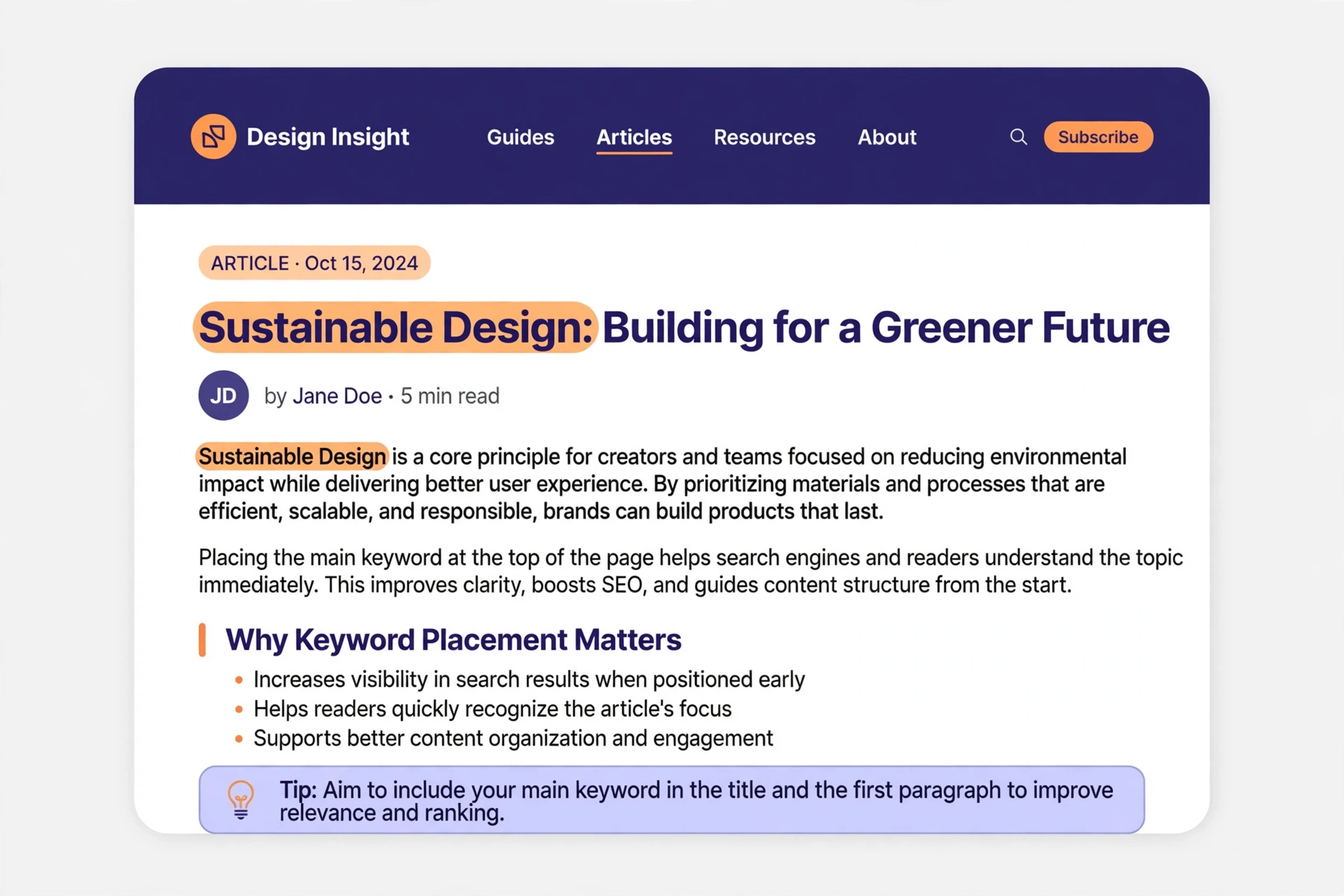
Your SEO title is one of the most important places to use your focus keyword. It tells readers and search engines what your webpage is about. Try to include your main keyword naturally near the beginning of the title when it creates a clear and useful headline. For example, “Keyword Prominence in SEO: A Beginner’s Guide” is a simple and relevant title. Avoid creating titles that repeat keywords unnecessarily or promise something your article cannot deliver. A good title should be interesting, accurate, and easy to understand so that visitors know exactly what they can expect from your page.
4. Use Keywords in the First Paragraph
The introduction is another useful location for your main keyword. Mentioning the focus keyword naturally near the beginning helps establish the topic of your article. It also gives readers an immediate idea of what they will learn. You do not need to force the keyword into the first sentence if it makes the writing sound unnatural. Instead, create an introduction that explains the topic clearly and includes the keyword where it fits naturally. A strong introduction should also explain the reader’s problem and show how your article will help solve it.
5. Add Keywords to Your Headings
Headings make your content easier to read and help organize information into meaningful sections. You can use your main keyword or related phrases in some headings when they accurately describe the section. For example, a heading such as “How Keyword Prominence Improves Content Optimization” clearly explains the information below it. Do not add your focus keyword to every heading because this can make the article repetitive. Use headings to guide readers through the topic and make important information easier to find. A logical heading structure is more valuable than repeating the same phrase without a purpose.
6. Optimize Your Website URL
A clean URL can help visitors understand what a webpage contains before opening it. When appropriate, include your main keyword in the URL using lowercase letters and hyphens between words. For example, a suitable URL could be:
example.com/keyword-prominence-in-seo/
Avoid unnecessary numbers, random characters, and long URL structures. A short and descriptive URL is easier to remember and share. If your webpage already has a published URL, avoid changing it without a good reason. When a URL change is necessary, use an appropriate redirect to help visitors and search engines reach the correct page.
7. Use Keyword Prominence in Image Alt Text
Images can improve the appearance of your article and make information easier to understand. Search engines also use image information, including alternative text, to understand what an image represents. Write descriptive alt text that explains the image accurately. If an image genuinely relates to keyword prominence in SEO, you can include the phrase naturally in its alt text. However, do not use the same keyword in every image description. The main purpose of alt text is to describe images clearly, especially for people who use screen readers.
8. Understand the Difference Between Keyword Prominence and Keyword Density
Keyword prominence and keyword density are two different SEO concepts. Keyword prominence focuses on where a keyword appears in your content, while keyword density measures how frequently it appears compared with the total number of words. For example, placing your focus keyword in the title and introduction is related to prominence. Repeating that keyword several times throughout a 1,000-word article relates to density. Both concepts can help you review your content, but neither should encourage unnatural writing. Focus on clear language, useful information, and natural keyword usage.

9. Use Related Keywords and Natural Variations
Good SEO content should cover a topic instead of focusing on one exact phrase. Related keywords and natural variations help you explain different aspects of your subject. For keyword prominence in SEO, related phrases might include keyword placement, SEO keyword optimization, primary keywords, content relevance, and on-page SEO. These phrases allow you to write naturally while providing more complete information. You should only use related keywords when they fit the meaning of your content. Adding unrelated search terms can confuse readers and reduce the overall quality of your article.
10. Avoid Keyword Stuffing

Keyword stuffing happens when writers repeat a target keyword too many times in an attempt to influence search rankings. This can make articles difficult to read and create a poor experience for visitors. For example, repeating “keyword prominence in SEO” in every sentence does not make your article more helpful. Search engines are designed to understand language and context, so natural writing is a better approach. Read your article after writing it and remove unnecessary repetitions. Every keyword should have a clear purpose and fit smoothly into the sentence.
11. Improve Content Readability
Readable content is important because visitors should be able to understand your information without unnecessary difficulty. Use simple words, clear explanations, and meaningful paragraphs. Break complicated topics into smaller sections and use examples when necessary. Although long paragraphs can provide detailed explanations, they should remain organized and easy to follow. Avoid using technical language when a simple explanation is enough. Good readability makes your content more useful and encourages visitors to continue reading.
12. Write Helpful and Original Content
Keyword prominence cannot replace high-quality content. Your article should provide information that genuinely helps people understand a topic or solve a problem. Research your subject, explain important concepts, and include examples that make your advice practical. Avoid copying paragraphs from other websites or rewriting existing articles without adding useful information. Original content should reflect genuine effort and provide value beyond simply including search terms. Search engine optimization works best when your content is created for people first and follows search engine guidelines.
13. Use Internal Links Naturally
Internal linking means connecting one page of your website to another relevant page. It helps visitors discover more information and gives search engines additional context about your website structure. For example, an article about keyword prominence in SEO could link to related guides about keyword density, keyword research, on-page SEO, and content optimization. Choose descriptive anchor text that tells readers what they will find after clicking. Avoid adding too many links or connecting pages that have no meaningful relationship. Every internal link should provide additional value.
14. Optimize Your Content for Mobile Users
Many people browse websites using smartphones and tablets. Your content should be easy to read on smaller screens without requiring visitors to zoom in or scroll horizontally. Use a responsive website design, readable font sizes, and properly displayed images. Keep navigation simple and make sure important information is easy to access. Mobile usability is an important part of providing a good page experience. Even when your keyword placement is excellent, a difficult website experience can discourage visitors from reading your content.
15. Monitor Your SEO Performance
After publishing an optimized article, monitor how it performs in search results. Google Search Console can help you understand which search queries bring visitors to your website, how many impressions your pages receive, and how often people click your results. You can also review indexing information and identify technical problems. Use this information to improve your titles, descriptions, and content when necessary. Remember that SEO takes time, and rankings can change because of competition, search intent, and many other factors. Regular monitoring helps you make better decisions.
16. Common Keyword Prominence Mistakes
Some website owners make mistakes when trying to improve keyword prominence in SEO. One common mistake is placing the main keyword in every heading, even when it does not fit the topic. Another mistake is writing an introduction that sounds unnatural because the keyword has been forced into an awkward sentence. Some writers also ignore related keywords and focus entirely on exact-match phrases. To avoid these problems, use your focus keyword in important locations, write naturally, and make sure every section answers a useful question. Good optimization should improve the reading experience rather than make content difficult to understand.
17. Best Practices for Keyword Prominence in SEO
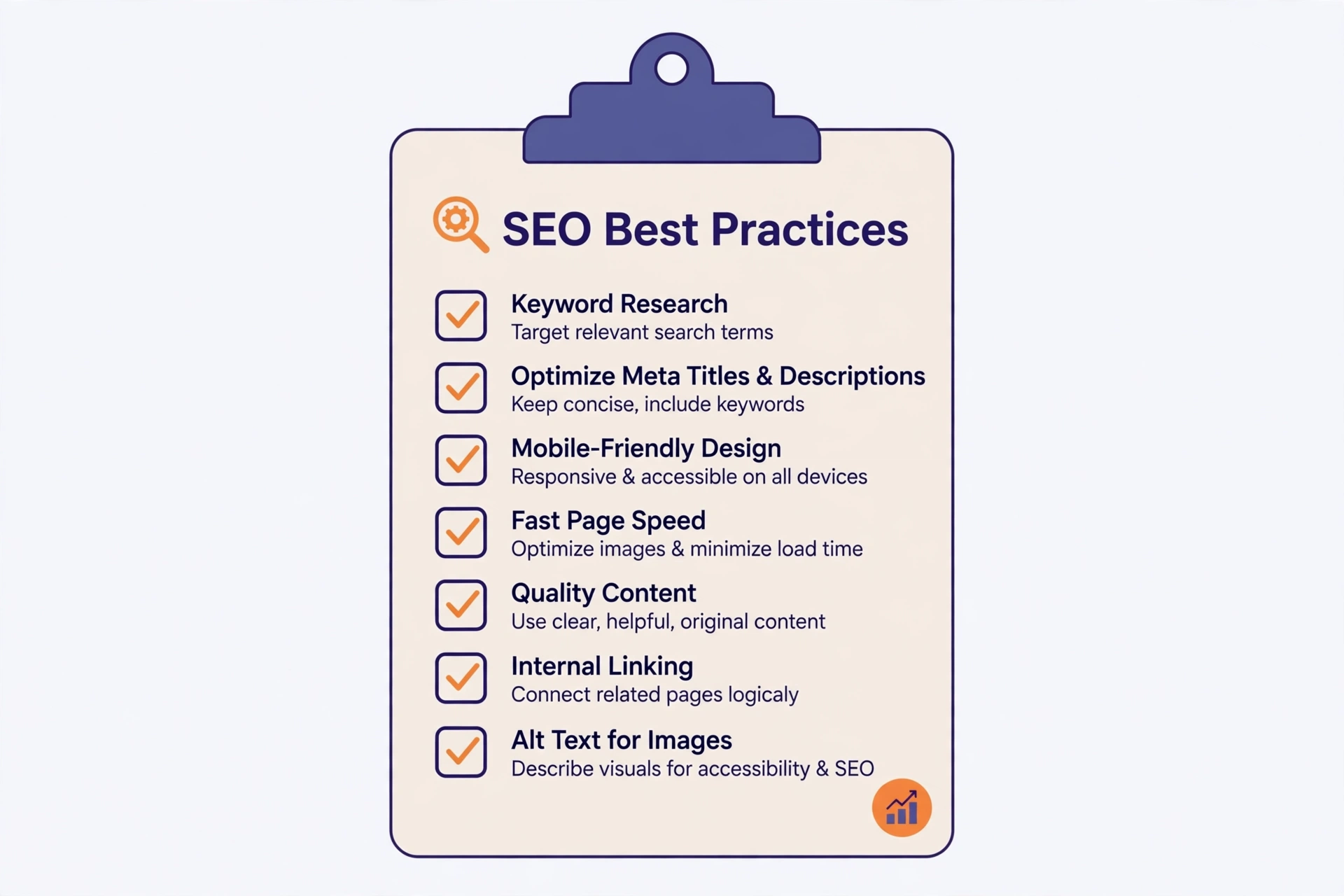
The best approach is to create a clear structure before writing your article. Decide on your main keyword, understand the search intent, and prepare headings that cover the topic properly. Include your focus keyword in the title, introduction, and relevant content sections. Use related phrases where appropriate and write descriptive image alt text. Review your URL, meta description, and internal links before publishing. Most importantly, make sure your article provides original and helpful information. These practices create a balanced SEO strategy that supports both search engine understanding and visitor satisfaction.
18. How to Check Keyword Placement in Your Article
You can review keyword placement manually or use an online SEO tool. Start by checking your page title, first paragraph, headings, URL, and image descriptions. Then read the complete article to see whether your keyword usage sounds natural. A keyword prominence checker or content analyzer may help you identify where your target phrase appears. However, automated tools should be treated as guides rather than final decision-makers. Always review the content yourself because a tool cannot fully understand your audience, writing style, and the value of your information.
19. Does Keyword Prominence Guarantee Higher Rankings?
No SEO technique can guarantee a specific Google ranking. Keyword prominence can help communicate the subject of a webpage, but search visibility depends on many different factors. These include content relevance, usefulness, competition, technical performance, website reputation, and search intent. A page with perfect keyword placement may still perform poorly if it does not answer visitors’ questions. Instead of chasing guaranteed ranking promises, focus on building useful content and improving your website consistently. A strong SEO strategy requires patience, regular updates, and attention to the needs of your audience.
Conclusion
Keyword prominence in SEO is a useful on-page optimization practice that helps search engines and visitors understand the main topic of your content. By placing your target keyword naturally in the title, introduction, headings, URL, and relevant image descriptions, you can create a clearer and better-organized webpage. However, keyword placement should always support helpful writing rather than replace it. Combine natural keyword usage with original content, internal linking, mobile-friendly design, and regular performance checks. This balanced approach can improve your website’s SEO quality and create a better experience for your readers.
Frequently Asked Questions (FAQs)
1. What is keyword prominence in SEO?
It is the practice of placing your target keyword in important locations, such as the title, introduction, headings, and URL.
2. Where should I place my main keyword?
Use it naturally in your SEO title, introduction, relevant headings, URL, and suitable content sections.
3. Is keyword prominence a Google ranking factor?
Google does not publish keyword prominence as a standalone ranking factor. Relevant keyword placement can help communicate page content, but rankings depend on many signals.
4. Is keyword prominence better than keyword density?
They measure different things. Prominence focuses on keyword location, while density focuses on frequency. Both should support natural, helpful content.
5. Can I use my focus keyword multiple times?
Yes. Use it naturally wherever it helps explain the topic. Avoid unnecessary repetition and keyword stuffing.
6. Does keyword prominence guarantee first-page rankings?
No. It is one part of on-page SEO and cannot guarantee first-page or number-one rankings.
1 thought on “Keyword Prominence in SEO: A Complete Guide to Better Search Rankings”