Introduction
Writing a good article is one of the best ways to share information, attract readers, and build a successful website. However, publishing content is not enough if people cannot find it through search engines. This is where SEO writing tips become useful. SEO writing means creating helpful, clear, and well-organized content that matches what people are searching for. It combines good writing with keyword research, headings, readability, and other important optimization methods. Whether you are a beginner blogger, website owner, or professional writer, learning the right techniques can help you improve your articles. The most important thing is to write for people first and use SEO practices to make your information easier to discover.
2. What Is SEO Writing?

SEO writing is the process of creating website content that helps readers find useful answers through search engines. It involves understanding a topic, researching relevant keywords, organizing information, and writing in a natural style. A good SEO article should answer the reader’s question instead of simply repeating popular search phrases. For example, if someone searches for SEO writing tips, they may want advice about titles, keyword placement, headings, and content quality. Your article should cover these subjects clearly. Search engines can understand many language and topic relationships, so useful explanations are more important than unnecessary keyword repetition.
3. Why Are SEO Writing Tips Important?
SEO writing tips help writers create content that is easier to read, understand, and discover. Without a clear plan, an article may contain repeated information, confusing headings, or keywords that do not fit naturally. Good writing practices help prevent these problems and make the content more valuable. They also encourage writers to understand their audience before creating a page. Although SEO writing cannot guarantee a particular search position, it can support a strong website strategy by improving relevance, organization, and the overall experience for visitors.
4. Understand Your Target Audience
Before writing an article, think about the people you want to reach. Consider what they already know, what questions they may have, and what information they need. A beginner may prefer simple explanations and practical examples, while an experienced reader may want more detailed advice. Understanding your audience helps you choose suitable words, topics, and examples. For instance, an article about SEO writing for beginners should explain basic terms instead of assuming that every reader understands technical SEO. When you write with a real audience in mind, your content becomes more focused and useful.
5. Choose the Right Focus Keyword
A focus keyword is the main phrase that describes the subject of your article. Choose a phrase that matches the topic and the way your audience searches. For example, if you are writing a guide for new bloggers, a phrase such as “SEO writing tips for beginners” may be more specific than a broad phrase such as “SEO.” Use keyword research tools to discover related searches and understand the language people use. Once you select your main keyword, include it naturally in important areas without forcing it into every paragraph.
6. Perform Proper Keyword Research
Keyword research helps you plan content around real search topics. Start by writing down the main questions people may ask about your subject. Then use keyword research tools to discover related phrases, search variations, and useful subtopics. For an article about SEO writing tips, related keywords might include SEO content writing, keyword placement, on-page SEO, content optimization, and writing for search engines. Choose terms that genuinely relate to your article. Do not add unrelated keywords just because they appear popular. Relevant research helps you create a useful outline and avoid writing content that misses the reader’s needs.
7. Write an Attractive SEO Title
Your title is one of the first things readers may notice in search results. It should explain the subject clearly and give people a reason to open the page. Include your focus keyword naturally when possible. For example, “SEO Writing Tips: Simple Ways to Improve Your Website Content” describes the topic and promises practical information. Avoid titles that are misleading, overly long, or filled with repeated keywords. A good title should accurately represent the article and make it easy for readers to understand what they will learn.
8. Create a Strong Introduction
The introduction should tell readers what the article is about and why the information matters. Start with a common problem, a useful question, or a simple explanation of the topic. Mention the focus keyword naturally when it fits. Avoid writing a very long introduction that delays the main information. Readers should quickly understand what the article will cover. A clear opening also helps you establish the direction of the content and makes it easier to move into the main sections.
9. Use Clear Headings and Subheadings
Headings organize your article and help readers find information quickly. Use one main heading for the page and arrange the remaining sections in a logical order. Each subheading should explain the subject of the section below it. For example, a guide about SEO writing can include separate sections for keyword research, readability, title writing, internal links, and content updates. Descriptive headings make long articles easier to scan, especially on mobile devices. Add keywords to headings only when they fit naturally and describe the section accurately.
10. Write for People First
One of the most important SEO writing tips is to focus on readers rather than search engine tricks. Your content should answer questions, explain ideas, and provide information that visitors can actually use. Avoid writing paragraphs that repeat the same point just to increase word count. Add examples, useful details, and practical steps where they help. When readers can understand your article and find the information they need, the page provides a better experience. Search optimization should support useful writing, not replace it.
11. Use Keywords Naturally
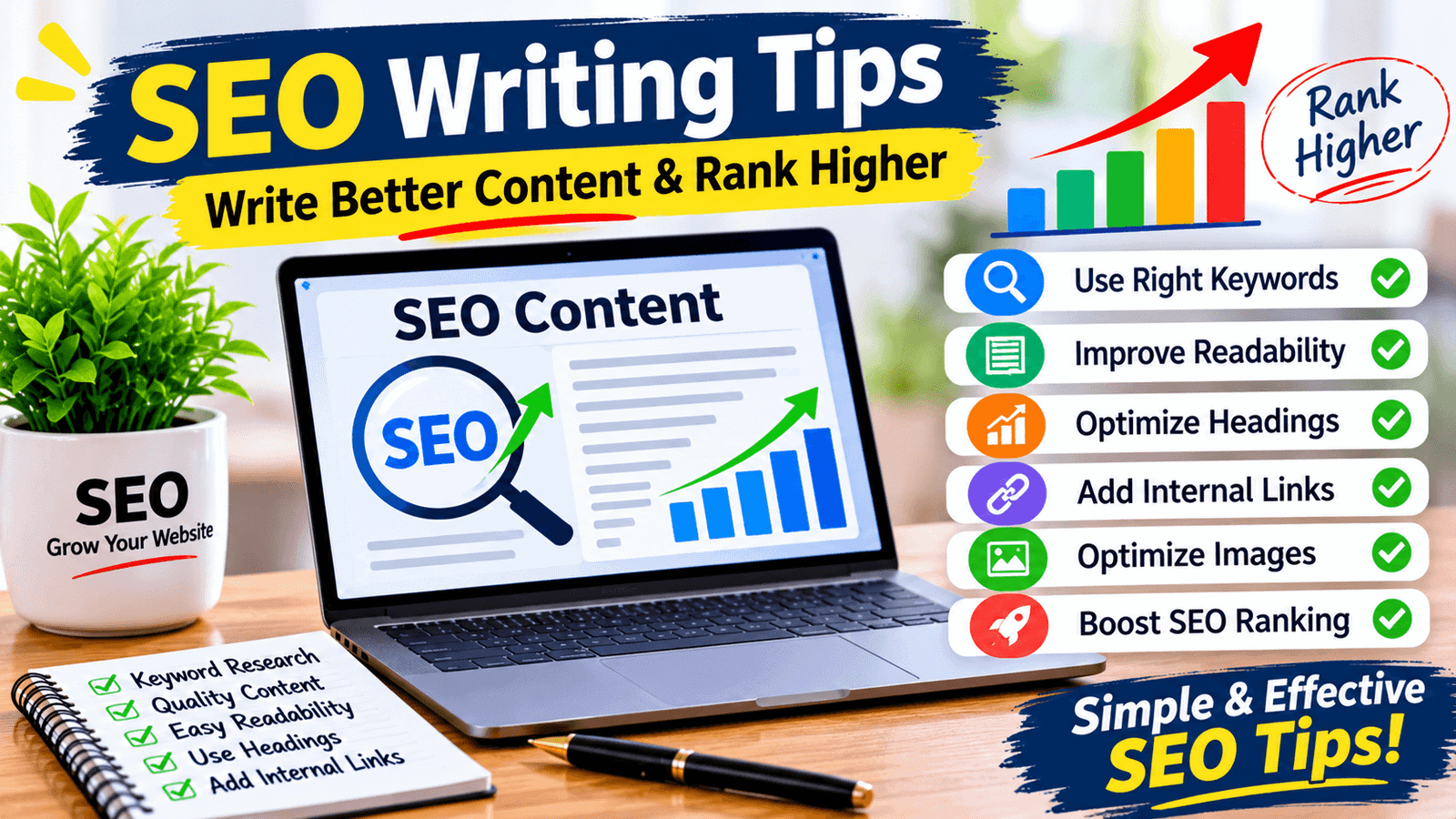
Place your focus keyword in relevant parts of the article, such as the title, introduction, and selected headings or paragraphs. Use related terms where they help explain the subject. For example, an article about SEO writing tips may naturally include phrases such as content optimization, keyword frequency, readability checker, and SEO content strategy. There is no need to repeat the exact keyword in every section. Natural wording makes your article easier to read and helps you cover the topic without making the content sound artificial.
12. Avoid Keyword Stuffing
Keyword stuffing happens when a writer repeats the same search phrase too many times. It can make sentences difficult to read and reduce the quality of the article. Instead of adding a keyword wherever possible, use it only when it makes sense. Read your paragraphs aloud and check whether the wording sounds natural. A keyword frequency checker can help identify repeated terms, but you should decide whether each use is necessary. Good SEO writing is about relevance and clarity, not reaching an arbitrary keyword count.
13. Write Simple and Readable Paragraphs
Simple language makes your content accessible to more readers. Avoid complicated words when an everyday expression explains the idea better. Organize paragraphs around one main point so readers can follow your explanation. Detailed paragraphs are useful when a subject needs more explanation, but they should not contain several unrelated ideas. You can also use bullet points for instructions or short lists when they make information easier to understand. A readability checker may help identify difficult sentences that need editing.
14. Match the Search Intent
Search intent is the reason someone enters a particular search query. A person searching for SEO writing tips probably wants practical advice, examples, and techniques they can use. Someone searching for an SEO writing tool may instead want software recommendations or a tool comparison. Your content should match the purpose behind the search. Review the topic and consider what information would genuinely satisfy the reader. Matching search intent helps prevent irrelevant sections and keeps your article focused on the question people want answered.
15. Add Useful Examples and Practical Advice
Examples make complex ideas easier to understand. If you explain keyword placement, show how a keyword can fit naturally into a title or introduction. If you discuss internal linking, describe how one related article can connect to another. Practical advice gives readers something they can apply after finishing the article. Avoid adding examples that do not support the topic. Every example should make an explanation clearer or help the reader understand what to do next.
16. Improve Your Content with SEO Tools
SEO tools can make the writing and editing process easier. Keyword research tools help discover search phrases, while keyword counters show how frequently words appear in an article. Readability checkers can highlight difficult sentences, and content analysis tools may review headings and topic coverage. These tools are useful for finding possible improvements, but their suggestions should not replace your own judgment. A high tool score does not automatically mean an article is accurate or helpful. Use the results as guidance and always review the finished content yourself.
17. Add Relevant Internal Links
Internal links connect related pages on your own website. They help readers discover more information and make it easier for search engines to find other pages. For example, an article about SEO writing tips can link to your guides about keyword density, keyword usage checkers, and content optimization tools. Use descriptive anchor text that explains what the linked page covers. Only add links when they are relevant to the paragraph. Helpful internal links improve website navigation and encourage visitors to explore related content.
18. Use Reliable External Sources
External links can support your article when they point to trustworthy information. You may link to official documentation, recognized research, or useful educational resources when they help explain a subject. Make sure the source is relevant and reliable. Do not add links simply to make an article look more authoritative. Your own explanations should remain clear and complete, while external resources should provide additional value for readers who want to learn more.
19. Optimize Images for SEO

Images can make an article more interesting and help explain information visually. Choose images that match the topic and use descriptive file names before uploading them. Add alternative text that accurately describes the image for visitors using screen readers. Compress large image files to reduce loading time, and choose dimensions that fit your website layout. Avoid using unrelated images just to fill empty space. A useful featured image can also make your article look more professional when shared on social media.
20. Write Unique Meta Descriptions
A meta description provides a short summary of a webpage and may appear below its title in search results. Write a clear description that explains what readers will learn. Include the focus keyword naturally if it fits, and avoid making promises that the article cannot support. Each important page should have a description that reflects its own content. Search engines may choose a different snippet for some searches, but a helpful meta description remains a good way to summarize your page.
21. Update Old Articles Regularly
Updating older articles helps keep your website accurate and useful. Over time, information may change, links may break, and readers may need additional explanations. Review your existing content to identify outdated facts, unclear paragraphs, and missing sections. Add new information when it improves the article, and remove details that are no longer relevant. Do not increase word count without a reason. Meaningful updates are more valuable than adding unnecessary sentences simply to make a page longer.
22. Make Your Content Mobile-Friendly
Many visitors read articles on smartphones, so your website should display content properly on smaller screens. Use a responsive design, readable font sizes, and enough spacing between sections. Make sure images fit the screen and links are easy to tap. Avoid large blocks of text that are difficult to read on a phone. Preview your article on different screen sizes before publishing. Mobile-friendly content makes it easier for visitors to read your information wherever they are.
23. Check Grammar, Spelling, and Accuracy
Spelling mistakes and unclear sentences can make an article look unfinished. Before publishing, read the full article and check grammar, punctuation, and sentence structure. Verify factual statements and make sure examples are correct. You can use writing assistants to identify possible errors, but review every suggested change. Automated tools sometimes misunderstand context or recommend wording that changes the meaning. Careful proofreading helps you publish content that readers can trust and understand.
24. Measure Your SEO Results
After publishing, monitor how your article performs. Search performance tools can show impressions, clicks, search queries, and average positions. Website analytics can help you understand how visitors interact with your content. If a page receives impressions but few clicks, review its title and description. If visitors are not finding useful information, consider improving the article’s structure or explanations. Search performance changes over time, so look at trends rather than judging a page from one day’s results.
25. Conclusion
Learning effective SEO writing tips can help you create better website content and build a stronger online presence. Focus on keyword research, clear titles, useful headings, natural keyword placement, readability, and helpful information. Use SEO tools to review your work, add relevant internal links, and update older articles when necessary. Most importantly, write for real people and answer their questions honestly. There is no guaranteed formula for the top search position, but useful, original, and well-organized content gives your website a strong foundation for long-term growth.
Short Paragraph
SEO writing tips help bloggers and website owners create clear, useful, and search-friendly articles. Use relevant keywords naturally, organize your content with headings, improve readability, and check your work with SEO tools. Focus on readers first to build better content and support long-term website growth.